


Connecting emotionally before you redirect a child's behaviour is the step most parents skip, and it is the reason so many corrections fall flat. Children learn, grow and feel safe when they sense a real connection with the people caring for them, when they feel understood, supported and valued.
You cannot positively influence a child until you have built a sincere, empathetic bond with them. Most of the time it is more effective to stop focusing on the inappropriate behaviour and instead feed the relationship and repair the broken link.

Connection creates a sense of safety and openness. Punishments, lectures, humiliation and reproaches push children toward avoidance, power struggles or resignation.
Quick takeaways
- Connection before correction: children respond to limits when they feel understood first.
- Send the message of love even while saying no.
- Meet core needs: dedicated time, empathetic listening and validation.
- Share your feelings only after the child has been heard.
- Solve problems together using the seven-step method.
- Repair quickly after a rupture; it teaches accountability.
Building Connection Before Redirection
Creating connection means building closeness and trust rather than distance and hostility. It starts with making sure the message of love comes through, even in a difficult moment. For example: "I love you, and the answer is still no." Or: "You matter more to me than your grades. What do your grades mean to you?" Or: "I love you and I trust that we will find a solution together."
As Marshall Rosenberg put it, there are other solutions than permissiveness or coercion. The aim is not to choose between being soft and being harsh, but to stay warm while holding a boundary. When a child feels your warmth underneath the limit, they are far less likely to treat the limit as a personal attack.
This is why a calm tone and a few seconds of genuine attention often do more than a long explanation. If you are working on staying calm in tense moments, the ideas in gentle discipline alternatives can help you hold a limit without threats.
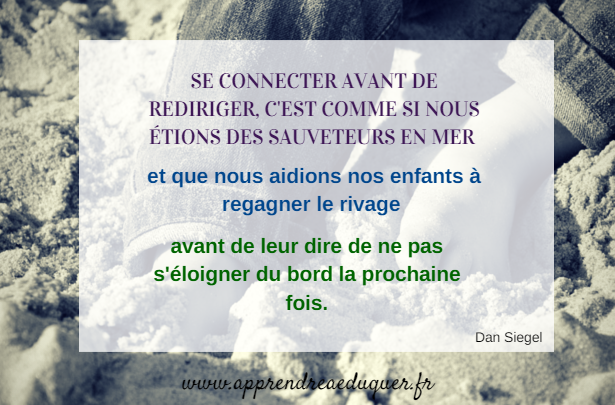
Filling the Core Emotional Needs
Positive discipline and gentle parenting offer several tools for meeting a child's fundamental emotional needs before you try to redirect behaviour. The first is dedicated time together: the clearest way to show a child you enjoy their company is simply to spend time with them, without a task attached.
Listening empathetically matters just as much. Stop what you are doing and give the child your full attention; that is a prerequisite for a sincere connection. Validate their inner world, because we feel connected when we feel understood and recognised.
Share, Then Solve
Share your own feelings and thoughts only when the timing is right. Children will listen after they have been heard and acknowledged themselves, and they stay connected when what you share comes from the heart rather than from a moralising speech. Then look for solutions with the child, not for them, and ask questions that help them trace the consequences of their choices: "What do you think caused this? How did you feel? How might the other person have felt?" A hug of twenty seconds or more is sometimes the only thing a child needs. Everyday rituals like those in toddler throwing habits are a good place to practise this patient, curious stance.

| Connection tool | What it looks like | Why it helps |
|---|---|---|
| Dedicated time | Unhurried one-to-one moments | Shows you enjoy the child's company |
| Empathetic listening | Stop and give full attention | Makes the child feel understood |
| Validation | Naming their inner world | Builds trust and openness |
| Heartfelt sharing | Emotions, not lectures | Keeps the child listening |
| Joint problem-solving | Brainstorming solutions together | Creates buy-in and respect |
| Physical contact | A long hug | Sometimes the only thing needed |
Redirecting Behaviour Without Punishment
Once connection is established, children are more open to a respectful redirection of the inappropriate behaviour. A respectful redirection is never a punishment; it can take the form of problem-solving together. Before starting, ask yourself whether you are calm enough to take part, and whether the child agrees to talk.
Faber and Mazlish set out seven steps. Talk about the child's feelings ("I imagine you must feel…"). Talk about your own ("Here is how I feel about this"). Invite the child to brainstorm a mutually acceptable solution, writing down every idea from adults and children alike. Choose the ideas that suit everyone, set aside the ones that do not, and decide which to put into practice.
Then follow through with a plan of steps and responsibilities, refuse accusations by focusing on the future rather than blaming the past, and, where needed, discuss what is preventing the plan from working. If a child is anxious about a new routine, the reassurance in overcoming bedtime fears pairs well with this step-by-step approach.

Keeping the Connection Through Daily Life
Connection is not a one-off conversation; it is built in small, repeated moments. A shared meal, a walk, a few minutes of play before homework all count. Practical routines, such as the tips in eating out tips, become far easier when the child feels seen rather than managed.
Play is one of the most natural ways to reconnect, and it does not need to be elaborate. Simple movement games, like the poses in yoga tree pose, give you a calm, shared activity with no performance pressure. Choosing open-ended toys, such as the options in Montessori toddler toys, also supports the kind of independent play that lets a child feel competent.
Some children need help naming big feelings before they can move on. Books and stories about overcoming bedtime fears or everyday frustrations can open the conversation. When life gets busy, protecting a little one-to-one time, as suggested in twin organisation tricks, keeps the bond strong even on chaotic days.

When Connection Is Hard to Find
Some days the connection feels out of reach, and that is normal. If you are tired, stressed or in pain, your patience runs thin, and the advice in neck pain relief reminds you that looking after your own body is part of caring for your child well.
It also helps to notice what is developmentally normal rather than treating every behaviour as defiance. Understanding phases like the ones described in full moon births or the curiosity behind constant questions can shift your reaction from irritation to interest. For older children, questions about screen time, such as whether a child needs a computer at five, are easier to handle when you solve them together rather than imposing an answer.
Finally, remember that repair matters more than perfection. A short, sincere apology after a sharp word reopens the connection and models exactly the behaviour you want to see.
My hands-on take
I learned this the hard way with my own child during the morning rush. For months I corrected, reminded and hurried, and every correction seemed to make things slower. One day I stopped, sat down beside them for two minutes and just asked what was making the morning feel hard. The answer was small and practical, and once we solved it together the arguing simply faded.
Now I try to check the connection before I check the behaviour. Some days I forget, and I can see the difference within seconds. What helps me most is keeping the repair quick: a short apology, a hug, and a fresh start. It is far less exhausting than the power struggles we used to have.
Frequently asked questions
Why does redirection fail without connection?
A child who feels disconnected is more likely to resist, argue or shut down. Connection creates safety and openness, which makes a respectful limit far easier to accept.
Is this the same as being permissive?
No. You still hold boundaries; you simply hold them warmly. There are solutions beyond permissiveness and coercion, and connection lets you find them.
What if my child refuses to talk?
Wait for a calmer moment and check whether you are calm enough yourself. A pause, a hug or a shared activity often reopens the door to conversation.
How do I redirect behaviour without punishing?
Use joint problem-solving: hear feelings, share yours, brainstorm together, choose what suits everyone and follow through with a simple plan.
Product Reviews
 Best Toys for Dogs With High Prey Drive |
Best Outdoor Toys for 3-4 Year Olds |
Best Outdoor Toys for 6 Year Olds |
Best Harness for Poodle |
Best LEGO Sets for Adults |
Best Travel Toys for 4 Year Olds on Airplane |
Best Toy Stores in Washington DC |
Best Potty Training Toys |
Best Toys for Tripod Dogs |
Maillot equipe de france







