


When an older child hurts the younger one, the instinct to punish can be strong, yet a kinder response usually works better. An older sibling who lashes out needs emotional support and help building relationship skills far more than he needs a sanction.
This guide walks through how to stop the aggression, protect the little one, and respond in a way that strengthens the bond between siblings rather than damaging it. It also looks honestly at the emotions parents feel when a new baby arrives and an older child starts acting out.

Quick takeaways
- Punishing the older child strains both sibling and parent relationships.
- The child who aggresses is usually the one who is struggling.
- Stop the aggression physically, then protect and reassure the younger child.
- Listen to the older child's emotions and teach words for feelings.
- Offer proof of love so the older child does not feel abandoned.
- Rebuilding connection is daily work, supported by self-kindness and help.
Why Punishment Backfires
Punishing an older child for hurting a little brother or sister carries several drawbacks. Punishments damage the relationship between the siblings, and they also strain the bond between child and parent. In the older child's mind, he is being punished because of the younger one, so resentment can build against both the sibling and the parents who, he feels, do not understand him or decode the message behind his behaviour.
If we accept the idea that the aggressor is the one who is struggling and suffering, what sense does it make to punish him? This is easier said than done, because it is hard to give what we never received. And it never means letting a child be aggressive or violent, toward the younger sibling or anyone else. When you notice aggressive tendencies, keep a close eye and physically stop him from going after his brother or sister.
Protective Force and Empathy Together
You can use protective force to shield the younger children while also listening to the older child's emotions, helping him release his anger and sadness and offering the empathy and understanding he needs.
Avoid the "Mean Child" Label
It matters not to lock the older child into the role of the "mean one who hits." That kind of label works as a self-fulfilling prophecy and blocks you from connecting with what motivates the child, what he feels and what drives him to act this way. It also stops you from thinking in terms of teaching skills, such as helping him put words to his emotions or showing him techniques for emotional regulation.
As one parenting writer puts it, it is when children are struggling that they need you most, even if you would rather see them smiling. You are most useful to them when you can welcome their painful feelings, helping them move through stages and gather strength to face life.
This is also where a calm, consistent routine helps, and small daily rituals of connection give the older child something steady to lean on. For families juggling school logistics on top of sibling tension, planning ahead can ease the pressure, much like weighing nursery school choices before the first term begins. The same foresight applies to back to school rewards that motivate without pressure.

| Step | What to do | Why it helps |
|---|---|---|
| Stop the aggression | Use protective force to separate them | Keeps the younger child safe |
| Reassure the little one | Say clearly that no one may hit him | Builds a sense of protection |
| Listen to the older child | Active, empathetic listening | Helps him release anger and sadness |
| Teach skills | Words for emotions, regulation tools | Builds emotional intelligence |
| Reconnect | Offer love and one-to-one time | Prevents feelings of abandonment |
The Younger Child's Need for Protection
The little one needs protection, and we have a duty to shield him from any aggression. Ideally, two adults are present in this kind of situation: one supports the older child while the other protects the younger one. In reality, that is rarely the case.
When a parent is alone, the first step is to stop the older child from hurting the younger one, using protective force, then tell the little one clearly that no one has the right to hit him. In a second step, practice active, empathetic listening with the older child, who is suffering and may not yet have the emotional and relational skills to say in words what he needs.
Love and Resources Afterwards
In a third step, offer the older child proof of your love so he does not feel abandoned; what counts is what the child feels, not what parents think they are giving. Then propose resources for building emotional intelligence, such as books about emotions and sibling relationships, or tools for expressing feelings. A calm home base supports this, and keeping toy clutter organized leaves more room for connection. Small daily routines, like teaching your child, can also create calm moments together.
When Parents' Own Emotions Take Over
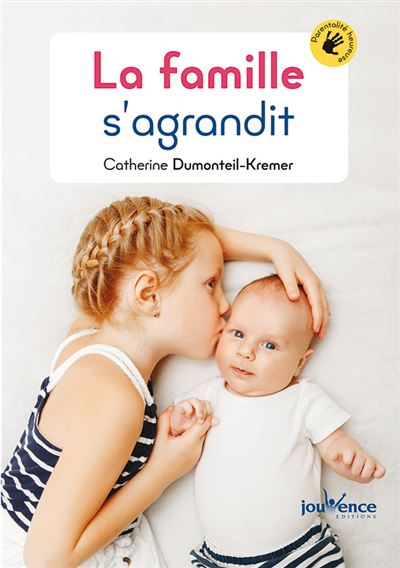
For parents, a new baby can be an emotional tsunami: fear of not being able to love the baby as much as the first, fear of no longer loving the first. Sometimes that fear turns out to be real, and some parents describe contradictory emotions toward their older child.
Most parents prepare the older child with phrases like "you don't have to love the baby, but you may not hurt him." Yet the main problem is not always the older child's aggression but the parents' inability to respond kindly, because their emotions are too strong and they lack resources to do otherwise.
One mother described no longer being able to stand her older daughter, not wanting to hear her, cuddle her, or even read her a bedtime story. She forced herself to rebuild the bond when she realised her daughter felt abandoned and was suffering, which partly explained the aggression toward the baby. She held her more often and reconnected to find the feeling of love again. This process can be long, but it is worth it; the rebalancing is hard, daily work, yet it is possible to accept it ("yes, I feel I love my older child less since the baby arrived") while building a new balance with self-kindness and support from your partner, family, friends, and possibly professionals or a community. Small everyday moments, like choosing outfits for Christmas together, can help rebuild closeness, and it is also worth watching your own body, since back contractures from constantly carrying children can wear you down.
Rebuilding Connection Day by Day
Rebuilding the bond is not a one-time fix but a daily practice. Small moments of one-to-one attention, a shared story, or a few minutes of play without the baby present can slowly refill the older child's sense of belonging.
It also helps to look after yourself, since exhaustion makes kind responses harder. Practical supports, from a partner who shares the load to simple routines, matter more than grand gestures, and even small logistics like the baby's first days deserve planning so the whole family feels steadier.
Over time, the goal is a home where both children feel seen, where the little one is safe and the older one is taught skills rather than shamed, and where parents give themselves grace as they learn.

My hands-on take
In my own home, the hardest moments were never the hitting itself but the guilt that followed, on both sides. I learned that stepping in calmly, separating the two, and then sitting with the older one to name what he felt did more than any consequence ever did. It took repetition, and some days I got it wrong.
What helped most was protecting a few minutes of one-to-one time each day, even when I was exhausted, and asking for help when I had nothing left to give. The bond did come back, slowly, and the house felt calmer for it.
Frequently asked questions
Should I punish my older child for hitting the younger one?
Punishment tends to damage both sibling and parent relationships and can breed resentment. A kinder approach stops the aggression, protects the little one, and teaches the older child emotional skills instead.
What if I am alone when it happens?
First physically stop the older child from hurting the younger one, then tell the little one that no one has the right to hit him. Afterwards, listen empathetically to the older child and offer reassurance of your love.
Is it normal to feel less love for my older child after a new baby?
Some parents do experience contradictory emotions, and it is possible to acknowledge this honestly. Rebuilding the bond through daily connection and support is a slow but worthwhile process.
Product Reviews
 Best Toys for Dogs With High Prey Drive |
Best Outdoor Toys for 3-4 Year Olds |
Best Outdoor Toys for 6 Year Olds |
Best Harness for Poodle |
Best LEGO Sets for Adults |
Best Travel Toys for 4 Year Olds on Airplane |
Best Toy Stores in Washington DC |
Best Potty Training Toys |
Best Toys for Tripod Dogs |
Maillot equipe de france







