


Therapeutic tales are short stories built on a metaphorical technique: a child's everyday difficulty, such as fear of the dark, fear of death, aggression or shyness, is moved somewhere else, into other places, other times and other characters.
What makes these stories different is that nothing magical intervenes from outside. No fairy, no wizard and no spell arrives to hand the child a ready-made solution. The "magic" happens inside: the tale leads children to discover that they already hold the answers to their own problems.

By following the hero's example, each child can draw on personal resources and find a happy ending to their own difficulty, at their own pace and in their own way.
Quick takeaways
- Therapeutic tales use metaphor to move a real problem into another place, time and cast of characters.
- No magic intervenes from outside; the child discovers solutions from within.
- Each story comes with a guide on what to expect and how to reinforce its intention.
- Tales support but never replace a therapist when professional help is needed.
- Themes include nighttime fears, death, shyness, aggression and separation or divorce.
- Reading calmly and leaving space afterwards matters more than explaining the moral.
How therapeutic tales work
The starting point is always a real, concrete problem a child meets in daily life. The tale takes that problem and displaces it: a different setting, a different era, a different cast of characters. This distance is what makes the story safe to listen to, because the child is not being talked about directly.
In therapeutic tales there is no magical intervention of any kind. No fairy godmother, no wizard, no enchanted object comes to influence the course of the story or to supply turnkey solutions from the outside. Instead, the "magic" is worked from within.
Helping children find their own answers
The whole point is to lead children to discover that they carry the solutions to their problems inside themselves. They may not know it yet, but the tale gives them keys to find those resources and use them without outside help. Each child will build a personal solution from the possible endings the story offers, drawing on the hero's example to reach a happy outcome for their own situation. If you want to open up feelings and respect through stories too, movies about respect can extend the conversation, and for parents, sex after baby is another topic worth exploring.

A collection for everyday hurdles
A dedicated collection of therapeutic tales, published by Eyrolles, is designed to help children through the small trials of everyday life. Each story comes with a user guide explaining what to expect from the tale and how to reinforce its therapeutic intention: who should read it, how to read it, and which parental attitudes to adopt when facing a particular problem.
These books remain a support, not a substitute. Therapeutic tales do not replace a consultation with a therapist if the need is genuinely felt. Reading together works best as a calm, regular ritual, and a soothing bedtime routine such as bedtime songs can prepare the ground before you open the book. For a different kind of inspiration, movies about real motherhood can offer parents a reflective perspective on the emotions these stories explore.
You can find the titles discussed here in your local bookshop or through online retailers, and they fit naturally into a wider habit of family reading. If you also follow toy releases, check LEGO sets leaving to plan your next purchases.

| Title | Theme addressed | Suggested reading approach |
|---|---|---|
| Ninon ne veut pas dormir | Nighttime fears | Read at bedtime, keep the ending calm and reassuring |
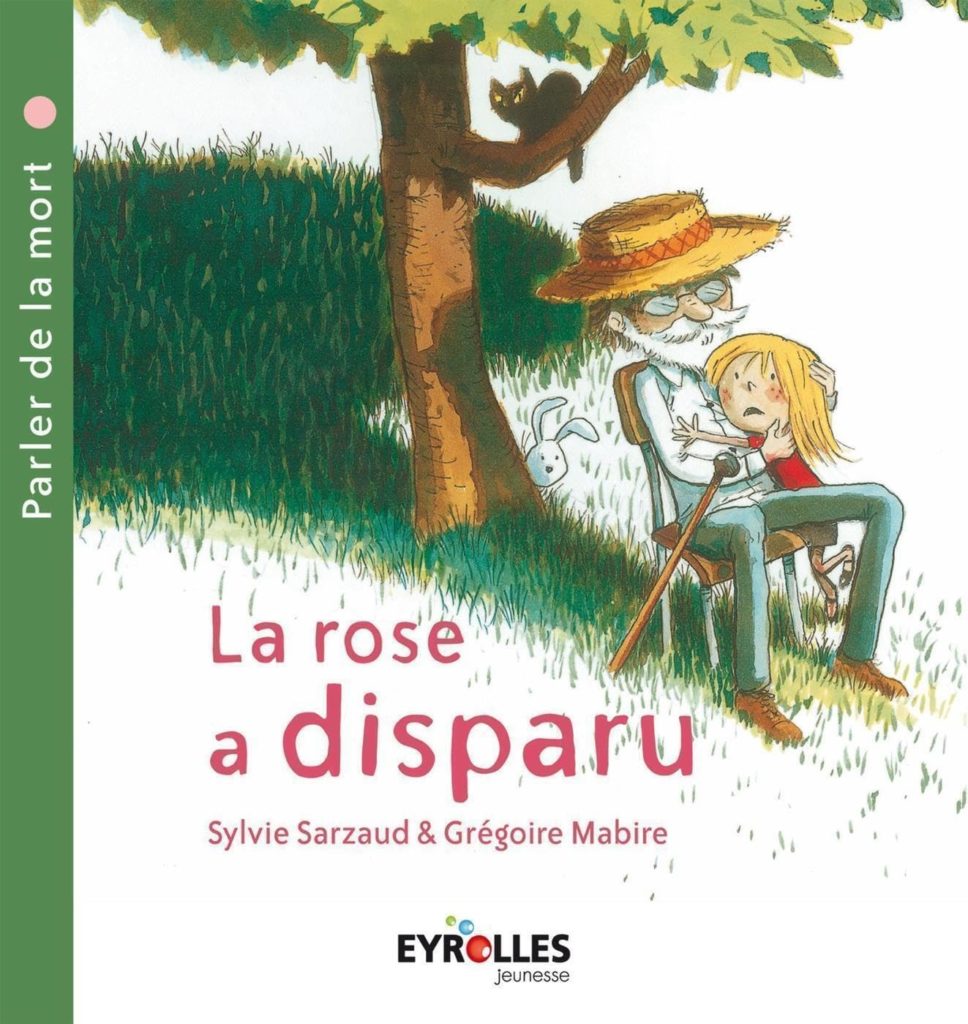
| La rose a disparu | Talking about death | Read slowly, invite questions, avoid rushing the ending |
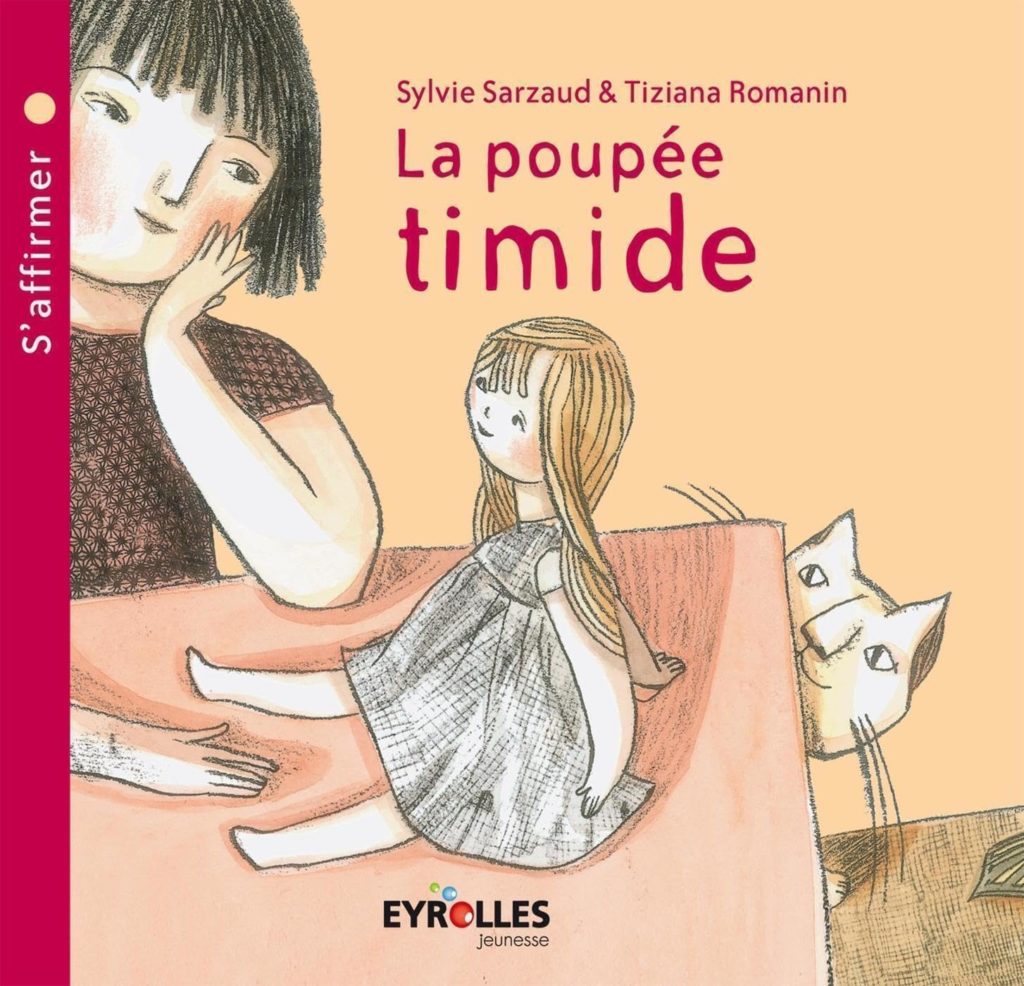
| La poupée timide | Asserting oneself | Read before social situations, let the child react freely |
| Argnouk se bagarre | Aggression | Read after a calm moment, discuss the hero's choices |
| Petit violon: le trio se sépare | Separation and divorce, from age 4 | Read together, allow silence and repeat readings |
The titles and the themes they cover
The collection addresses several common childhood struggles, each through a dedicated story. Ninon ne veut pas dormir deals with nighttime fears. La rose a disparu opens a conversation about death. La poupée timide supports children learning to assert themselves, while Argnouk se bagarre tackles aggression.
Petit violon: le trio se sépare addresses separation and divorce and is suitable from age four. These are heavy themes for small children, and a story gives them a gentle vocabulary for feelings they cannot yet name. Parents going through their own upheavals may find that parenthood and priorities shift in ways that make such conversations even more necessary. For younger children, tummy time toys can support early development alongside these stories.
Choosing the right story at the right time
Pick the theme that matches what your child is actually living, not the one that seems most educational. A child facing a new sibling, a move or a hospital visit will engage far more with a story that mirrors their concern. Keep the other titles on the shelf for later; a tale lands best when the problem is present. As with International Lego Day, timing makes all the difference.
Reading a therapeutic tale well
The guide included with each book matters as much as the story. Before reading, ask yourself what you expect from this tale and which intention you want to reinforce. During reading, keep the tone calm and unhurried, and resist the urge to explain the metaphor or to point out the moral at the end.
Afterwards, leave space. A child may want to talk, draw, replay the story with toys or say nothing at all, and all of these are valid responses. If your child likes to act things out, a few simple props or a favourite plush companion can help, and knowing how to wash stuffed animals with electronic parts keeps that companion clean and ready.
Parents' attitudes matter too: stay attentive to the problem without dramatizing it, and let the child lead the discussion. The tale plants a seed; repetition and patience let it grow.
Building a storytelling habit at home
Therapeutic tales work best inside a broader culture of stories at home. A regular slot, whether after lunch or before bed, turns reading into something your child anticipates rather than a response to a crisis. Let your child choose from the collection when possible, since ownership increases engagement.
Storytelling also connects to play. Children often process a tale later through role-play, building a scene, or inventing their own ending with figurines and blocks, which is where LEGO compatible brands can offer flexible pieces for acting out the hero's choices.
Finally, remember that a tale is a tool for connection, not a test. If your child shrugs or changes the subject, the story has still been heard. Some of the most useful conversations happen days later, when a child suddenly refers back to the character who found their way out of the dark.

My hands-on take
In my own experience, the hardest part of using these stories is resisting the urge to explain them. The first time I read a tale about nighttime fears, I finished and immediately started pointing out what the character had learned. My child looked at me and said, "I know." The next evening I said nothing at all, and that was when the questions came, unprompted, about the dark and about the hero's lantern.
I have also learned to keep the books visible rather than hidden away for difficult moments. When a story sits on the shelf like any other, a child can bring it to you when something is bothering them, which is far more powerful than a parent deciding the timing. Some evenings we read nothing; other evenings the same tale comes back three nights running. Both are fine, and both seem to do their quiet work.
Frequently asked questions
What exactly is a therapeutic tale?
It is a story that takes a child's everyday problem and transposes it into another setting with other characters. Through metaphor, the child identifies with the hero and discovers personal solutions rather than receiving ready-made advice.
Do these tales replace therapy?
No. They are a gentle support for everyday difficulties and do not replace a consultation with a therapist when the need is felt. If a problem persists or worries you, seek professional guidance.
How should I read a therapeutic tale to my child?
Read calmly and without hurrying, and follow the guide included with the book. Avoid explaining the metaphor or stating the moral; instead, leave space afterwards for your child to talk, draw or simply stay quiet.
From what age can children benefit?
It depends on the title and the theme; the separation and divorce story is indicated from age four. Choose a story that matches what your child is actually experiencing rather than what seems most useful to teach.
Product Reviews
 Best Toys for Dogs With High Prey Drive |
Best Outdoor Toys for 3-4 Year Olds |
Best Outdoor Toys for 6 Year Olds |
Best Harness for Poodle |
Best LEGO Sets for Adults |
Best Travel Toys for 4 Year Olds on Airplane |
Best Toy Stores in Washington DC |
Best Potty Training Toys |
Best Toys for Tripod Dogs |
Maillot equipe de france







