


Protective force is not the same thing as punishment, even though both can involve physically stopping a child. The difference lies in the intention behind the gesture: are you acting to keep someone safe, or to make a child pay for what they did?
Marshall Rosenberg, who developed Nonviolent Communication, drew a clear line between what he called protective force and punitive force. In everyday parenting, that distinction matters more than most of us realise, because the same action can carry completely different meanings for a child.

This article walks through Rosenberg's framework, from the thoughts that reveal a punitive intention to the way we hold space for a child's feelings afterwards.
Quick takeaways
- The difference between protective and punitive force lies in the intention behind the action.
- Punitive force includes physical punishment and also shaming or guilt-inducing words.
- Protective force aims to safeguard needs without making the child feel bad or afraid.
- Physical containment in an emergency can be done without violence or pain.
- After a "no" or restraint, children need their sadness or anger listened to.
- Protective force takes time and energy, but it respects children's fundamental rights.
Protective force versus punitive force
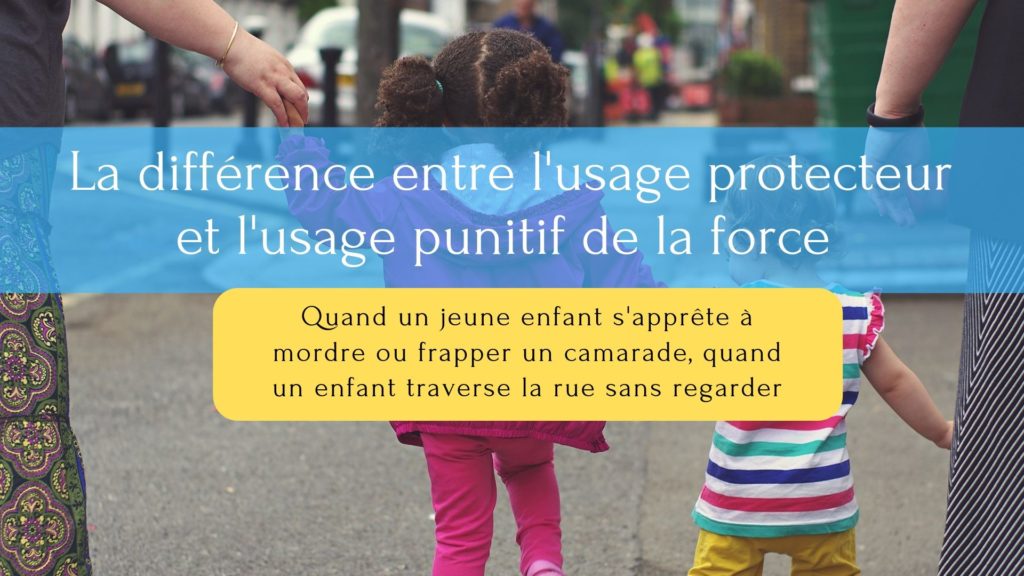
Rosenberg points out that in some circumstances we may need to use force to protect a child, for example by holding them back when they are about to step into the road without looking. The action itself is physical, but the intention is safety, not correction.
The real dividing line is the intention: are we using force to protect or to punish? One practical way to check is to notice our own thoughts at the moment we decide to act. An adult using force to punish has usually made a moral judgement, deciding that the child deserves to suffer in order to pay for what they did.
Punitive force takes many forms. It includes physical punishment such as smacking, ear or hair pulling, or a tap on the hands, but also verbal and psychological violence that stirs up shame or guilt. Parents who want to build self-improvement in children often find that shame works against them rather than for them.
What protective force actually looks like
Protective force is radically different. The child is not seen as bad, and there is no intention to frighten or hurt them. Instead, the starting point is needs: we see that certain needs are threatened, such as the child's safety or the safety of others, and we act to protect those needs without making the child feel wrong or ashamed.
Rosenberg compares protective force to a mosquito net. When we install one, we aim to protect ourselves from bites without killing the mosquitoes; we are still using force by controlling the environment. As he puts it, we control our environment so that what we do not want does not happen.
In urgent situations, such as a young child about to bite or hit a playmate, we can physically contain the child. This restraint can be carried out without violence and without causing pain, much like the careful handling described in improve psychomotor skills guidance for young bodies, and it echoes the patient approach of learning to walk without rushing.
| Aspect | Protective force | Punitive force |
|---|---|---|
| Intention | Safeguard a threatened need | Make the child pay or suffer |
| View of the child | Not bad, just learning | Judged as deserving punishment |
| Typical actions | Holding back, containing safely | Smacking, ear pulling, shaming |
| Effect on the child | Feels stopped but respected | Feels ashamed, guilty or afraid |
| What follows | Listening to emotions, later explanation | Isolation, lecture or further punishment |
The importance of what comes after
After using protective force, it is important to let the child express themselves. Sadness or anger are normal reactions in these situations; an angry child is actually repairing the helplessness they just experienced. Refusing to listen or offer empathy at that moment damages self-esteem and weakens the trust between parent and child.
This is why a simple "no" also needs follow-up. Disappointment, sadness or anger need to be heard rather than shut down. The early years are especially formative here, which is why the first three years deserve such careful attention from parents.
Rosenberg acknowledges that protective force requires loving intelligence and takes a great deal of time and energy. Yet we would never treat women's rights as anything less than fundamental human rights, and we would never excuse violent partners. Children deserve the same standard, and their fundamental rights deserve the same defence.
Checking your intention in the moment
Before acting, it helps to pause and ask a simple question: what am I trying to make happen? If the honest answer is "I want this to stop so nobody gets hurt", you are likely in protective territory. If the answer is closer to "I want them to learn a lesson" or "they need to feel how serious this is", a punitive impulse may have slipped in.
This check is not about guilt. Every parent has moments of frustration, and noticing a punitive thought is simply information. What matters is what we do next, and whether we can return to the needs underneath, such as safety, respect or rest.
Communication with an educational aim can come later, once everyone is calm. Trying to reason during the heat of the moment rarely works, and waiting is not permissiveness; it is timing. Parents working on parenting instinct often discover that this pause becomes easier with practice. If you are unsure whether a child's struggles call for extra support, learning when to see a speech therapist can help, and reflecting on parenting roles can also shape how we respond.
Talking about it afterwards
Once the storm has passed, a short conversation can help a child make sense of what happened. Keep it brief and free of blame: describe what you were worried about, name the need you were protecting, and invite the child to share how it felt. This is where the educational part of the exchange belongs.
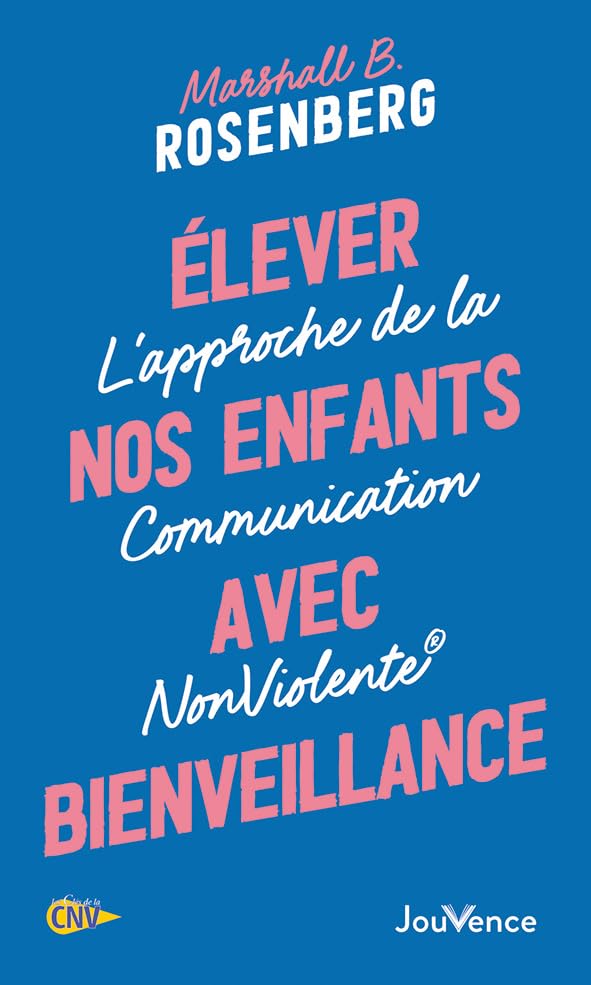
Stories and shared reading can support these conversations, since children often recognise their own feelings in a character. A gentle book, such as one of these books about fear or a story about big emotions, can open the door without putting anyone on the spot. For families who enjoy exploring together, beautiful towns can offer a calm change of scene.
Over time, this pattern teaches children that limits and care can coexist. They learn that their feelings are welcome even when their behaviour had to be stopped, which is the foundation of genuine cooperation rather than obedience out of fear.

My hands-on take
I remember the first time this distinction really landed for me. My child was about to grab a hot pan, and I pulled them back faster than I could think. There was no lecture, no shame, just a quick "that's hot, I've got you" and a hug while they cried. Later, when we were both calm, we talked about why I grabbed them.
What surprised me was how different that felt from the times I have acted out of frustration. In those moments I could feel the pull toward making a point, and the aftermath was always messier. Practising the pause has not made me perfect, but it has made me quicker to notice the difference, and quicker to repair when I get it wrong.
Frequently asked questions
Is protective force the same as being permissive?
No. Protective force still sets a firm limit and may involve physically stopping a child. The difference is that it does so without shaming or hurting them, and it is followed by listening and explanation.
What if I lose my temper and act punitively?
It happens to every parent. What matters is noticing it afterwards, repairing the connection with your child, and returning to the needs that were threatened. Repair is itself a powerful lesson for children.
Can I still say no to my child?
Absolutely. A clear "no" is part of protective parenting. The key is to welcome the disappointment or anger that follows instead of shutting it down, so the child feels heard.
Does protective force mean never raising my voice?
Not necessarily. Tone matters, but the core question is whether your aim is safety or punishment. A loud warning to stop a child running into danger is protective; shouting to make them feel small is not.
Product Reviews
 Best Toys for Dogs With High Prey Drive |
Best Outdoor Toys for 3-4 Year Olds |
Best Outdoor Toys for 6 Year Olds |
Best Harness for Poodle |
Best LEGO Sets for Adults |
Best Travel Toys for 4 Year Olds on Airplane |
Best Toy Stores in Washington DC |
Best Potty Training Toys |
Best Toys for Tripod Dogs |
Maillot equipe de france







