


Kind and effective parenting is easier to describe than to live, especially on the days when a four-year-old refuses to say hello or a baby keeps throwing a toy off the high chair. The gap between theory and daily reality is exactly where most parents get stuck, and it is also where the most useful work happens.
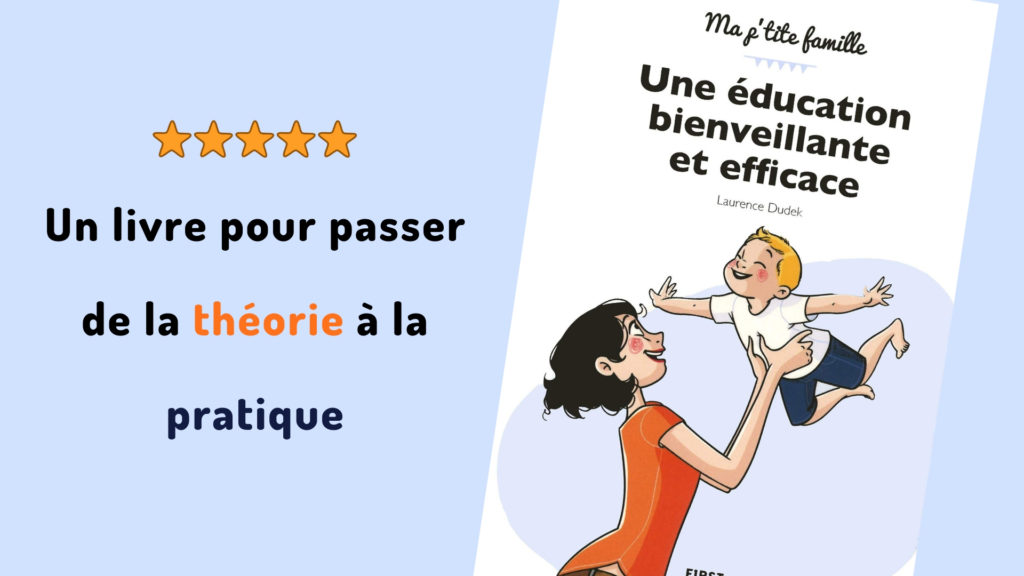
This guide walks through ten practical keys of effective education, from emotional intelligence to the idea that every request hides a need. Each one is paired with the kind of ordinary, messy situation parents actually face, so you can move from knowing what to do to actually doing it.

Quick takeaways
- Everything we do was learned, so behaviour can always change.
- Emotional intelligence shapes development and deserves daily attention.
- Every request, even an annoying one, expresses a real need.
- No violence is educational, whatever form it takes.
- Comparison and competition have no place in family relationships.
- It is never too late to become a more effective parent.
Ten keys to kind and effective parenting
Effective education rests on a small number of solid ideas rather than a long list of tricks. The first is that everything we do, we learned to do, which means behaviour can always be unlearned and replaced. The second is that emotional intelligence shapes development, so feelings deserve as much attention as schoolwork.
Other keys follow naturally: the adult does not have every answer, every request expresses a need, and children believe what we tell them about themselves. The final keys are just as demanding, since they ask parents to remember that only intention counts, that no violence is educational, and that comparison and competition have no place at home.
Unconditional love and tenderness complete the picture, along with the reassuring reminder that it is never too late to become effective. None of this requires perfection, only a willingness to reason differently about what a child is showing us.
Why emotional intelligence comes first
A child who cannot name what they feel cannot regulate it either. Naming emotions out loud, for yourself and for your child, is one of the simplest ways to build that vocabulary over time. It also models the calm you are asking for.
This is why ordinary play matters so much: it is where children rehearse frustration, sharing and waiting. If you are curious about how movement and play support development, this explanation of psychomotor skills shows how body and emotion grow together.
Language is the other pillar, since children need words before they can express a need instead of a scream. Toys that invite conversation, like those in this selection of language development toys, give you easy material for daily talk.
| What you see | What may be underneath | A calm response |
|---|---|---|
| Baby throws toys repeatedly | Separation anxiety, motor practice | Hand it back without comment |
| Child refuses to say hello | Shyness, social pressure | Greet for them, no lecture |
| Siblings bicker constantly | Need for attention, fairness | Name feelings, skip judging |
| Child hides a mistake | Fear of punishment | Thank them for honesty |
| Child compares themselves | Competition habit | Focus on effort, not rank |
Every request is the expression of a need
When a baby of eight to ten months throws objects from the high chair and asks for them back, only to throw them again, many parents conclude the child is testing them on purpose. In fact this is a normal stage of development: the baby discovers that objects can be separated from them and found again, exercises motor skills, and works through separation from a parent who can leave and return.
The tears when nobody picks up the toy are not a caprice but a sign of separation anxiety, which is why the child calms instantly once the object comes back. Reading behaviour this way, as the expression of a need rather than an attack, changes your response entirely.
Looking for the positive intention
An educator is wise to base any interpretation of behaviour, however undesirable, on this principle of positive intention, so as to react effectively and without violence. The same lens helps when children catch us in an awkward moment, as these ideas on children catching parents explore.
No violence is ever educational
Violence takes many forms: humiliating words, isolation, blackmail, threats, ear-pulling, smacking, lines to copy or being sent to the corner. Whatever the form, it teaches the child that violence is a normal, healthy and unavoidable part of human relationships, and that only two positions exist: dominant aggressor or dominated victim.
Children subjected to so-called ordinary educational violence do learn, but not what we hope. They learn to fear adults, including the people supposed to protect them. They learn to endure pain and stop trusting their own sensations and emotions, which are useful internal compasses. They learn by imitation to use violence on those weaker than themselves.
They also learn to confuse love and violence, to see them as compatible, and to fear punishment or chase rewards instead of developing ethics and responsibility. They learn to avoid consequences for themselves without considering those affecting others, and to lie and hide.

Handling daily flashpoints without a battle
Many conflicts come from ordinary situations that feel bigger than they are. A four-year-old who refuses to greet people, a child playing a naked game with a friend, siblings who bicker for nothing and demand an arbitrator: these are questions of development and social learning, not of defiance.
With siblings, the goal is to step out of the judge's role and help each child name their feeling and their need instead. The same approach works with the small daily negotiations around screens, food and bedtime, and it is worth thinking about how you handle housewife prejudice style assumptions about who should manage it all.
Physical activity is another outlet that prevents many flashpoints, and these questions about sport cover the practical side. For bigger worries, such as a child's weight, this piece on a chubby son offers a calm starting point.
Building your own toolkit over time
The aim is not a set of ready-made recipes but a new way of reasoning, especially in terms of children's needs, so that you can act differently. One sentence worth keeping in mind rests on equality: whatever happens, I will no longer think, say or do anything to a child that I would not accept them thinking, saying or doing to me.
This principle travels well beyond childhood. It applies to how we talk about bodies during pregnancy, as with these pregnancy and the brain findings, and to how we explain family structures, which this comparison of adoption and foster care handles with care.
It also shapes the environment we build at home, from the toys we choose to how we store them. If your living room is overrun, these tips on storing LEGO sets keep the play space workable, and this guide to LEGO scale helps you plan what fits where.

My hands-on take
I remember the phase when every meal ended with a spoon on the floor and a small face waiting for me to pick it up. For a while I was convinced it was a personal challenge, and I responded with the kind of sigh that never helps. Once I understood that my child was working through separation and return, the whole scene changed: I handed the spoon back calmly, said nothing dramatic, and the game lost its power.
What helped most was picking one principle at a time instead of trying to overhaul everything at once. I started with naming feelings out loud, then moved to replacing threats with clear limits. Some days still go badly, and that is fine. The point is the direction of travel, not a perfect record.
Frequently asked questions
Is kind parenting the same as letting children do whatever they want?
No. Kind and effective parenting keeps firm limits while removing humiliation, threats and physical punishment. The limit stays; the violence goes.
What if I already used punishments or shouting?
It is never too late to change. Children respond quickly to a more respectful approach, and repairing after a difficult moment teaches them a great deal.
Why does my toddler keep throwing things on the floor?
This is a normal developmental stage where the child explores separation and return. Crying when the object is not retrieved reflects separation anxiety, not manipulation.
Does this approach work with siblings who fight?
Yes, though it takes patience. Instead of acting as judge, help each child name their feeling and need, and avoid declaring a winner.
Product Reviews
 Best Toys for Dogs With High Prey Drive |
Best Outdoor Toys for 3-4 Year Olds |
Best Outdoor Toys for 6 Year Olds |
Best Harness for Poodle |
Best LEGO Sets for Adults |
Best Travel Toys for 4 Year Olds on Airplane |
Best Toy Stores in Washington DC |
Best Potty Training Toys |
Best Toys for Tripod Dogs |
Maillot equipe de france







