


Learning to express anger without violence starts with a simple shift: stop judging the emotion and start working with its energy. Anger is a fundamental, universal emotion that every person meets from early childhood, yet it is neither good nor bad in itself.
Anger helps us break down the obstacles that stand in our way, it pushes us to change things around us, and it has often been at the root of wider social change. It is a driving energy, and what really makes the difference is how we express and use it.

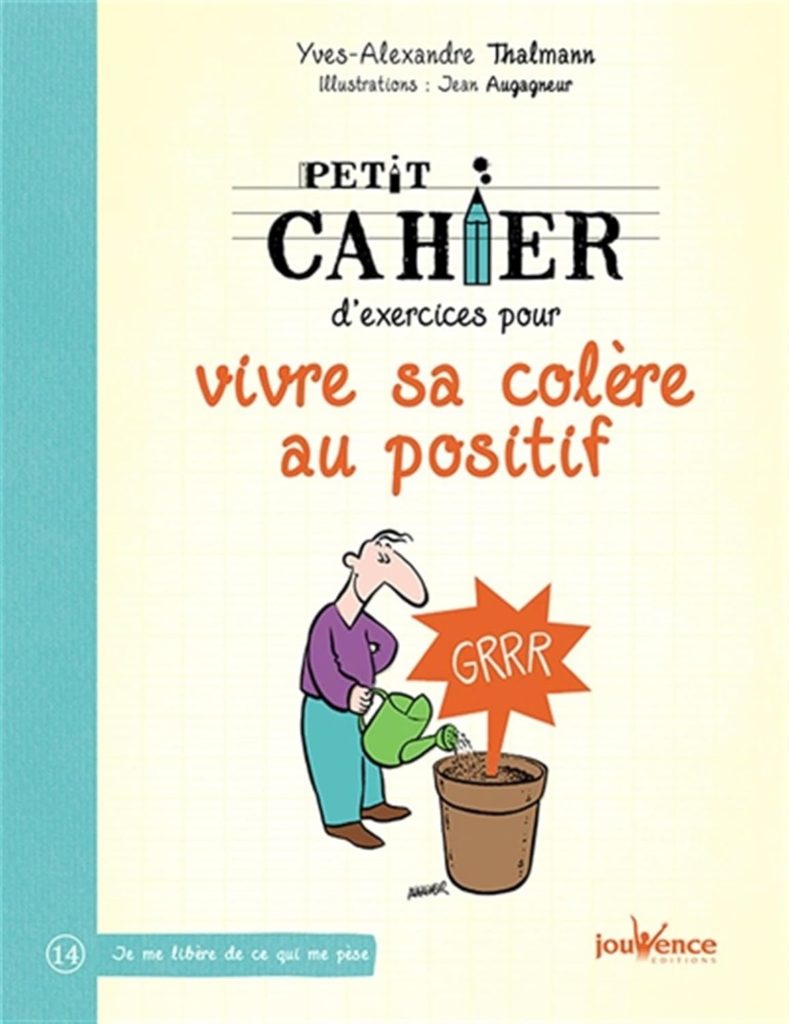
A small exercise workbook by psychologist Yves-Alexandre Thalmann guides readers through quizzes, reflections, drawings, tests and strategies toward reconciling with anger, using its energy without giving in to violence, and clearing daily life of the many small irritations that wear us down.
Quick takeaways
- Anger is neither good nor bad; its expression and use make the difference.
- Notice the bodily signs of anger early to avoid violent words or gestures.
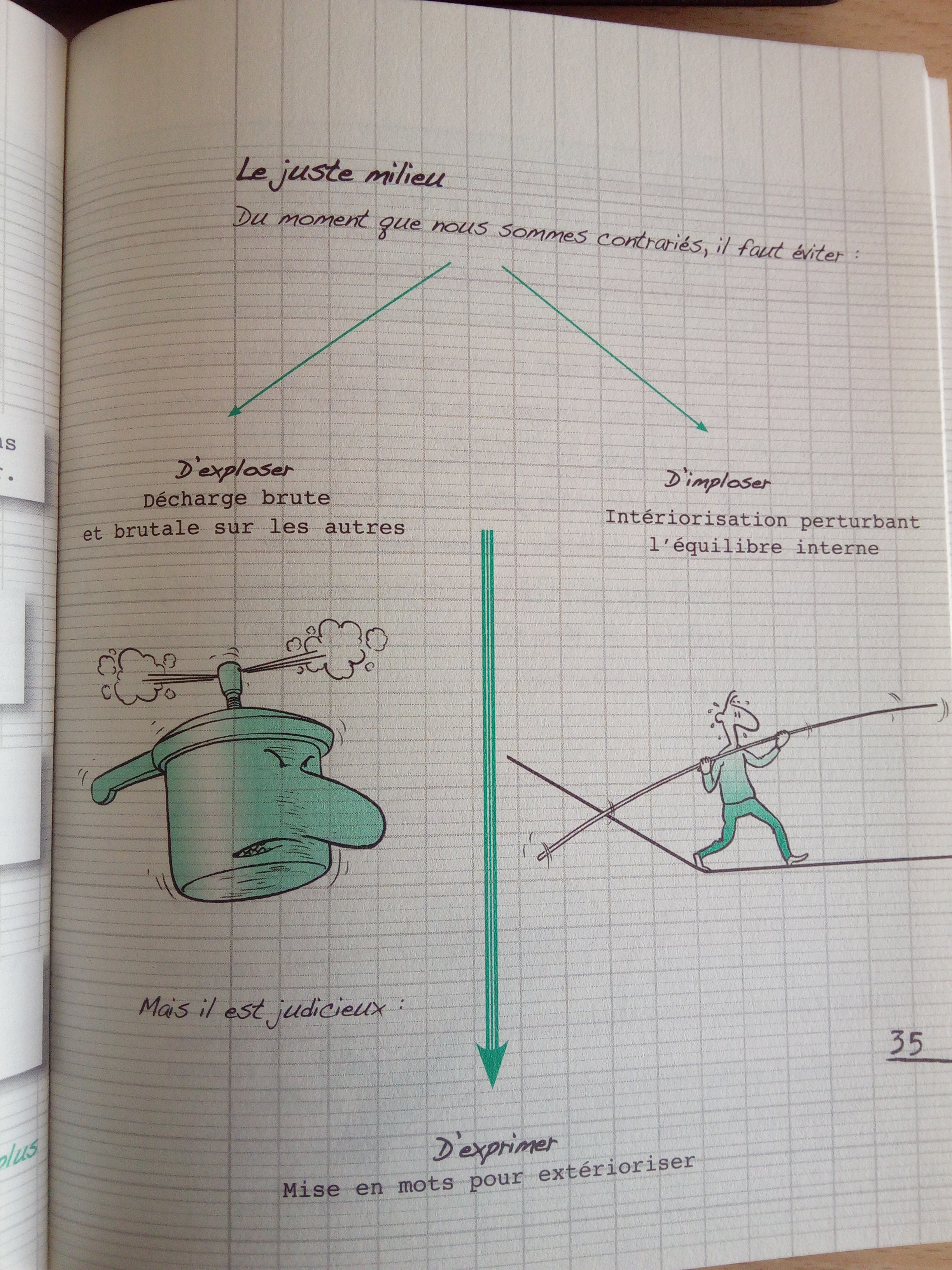
- Choose the middle path: neither explode against others nor suppress the emotion.
- Put anger into words to lower its intensity and regain control.
- Separate healthy anger from stress and small daily annoyances.
- Treat relapses as part of progress, not as failure.
Meeting anger and understanding how it works
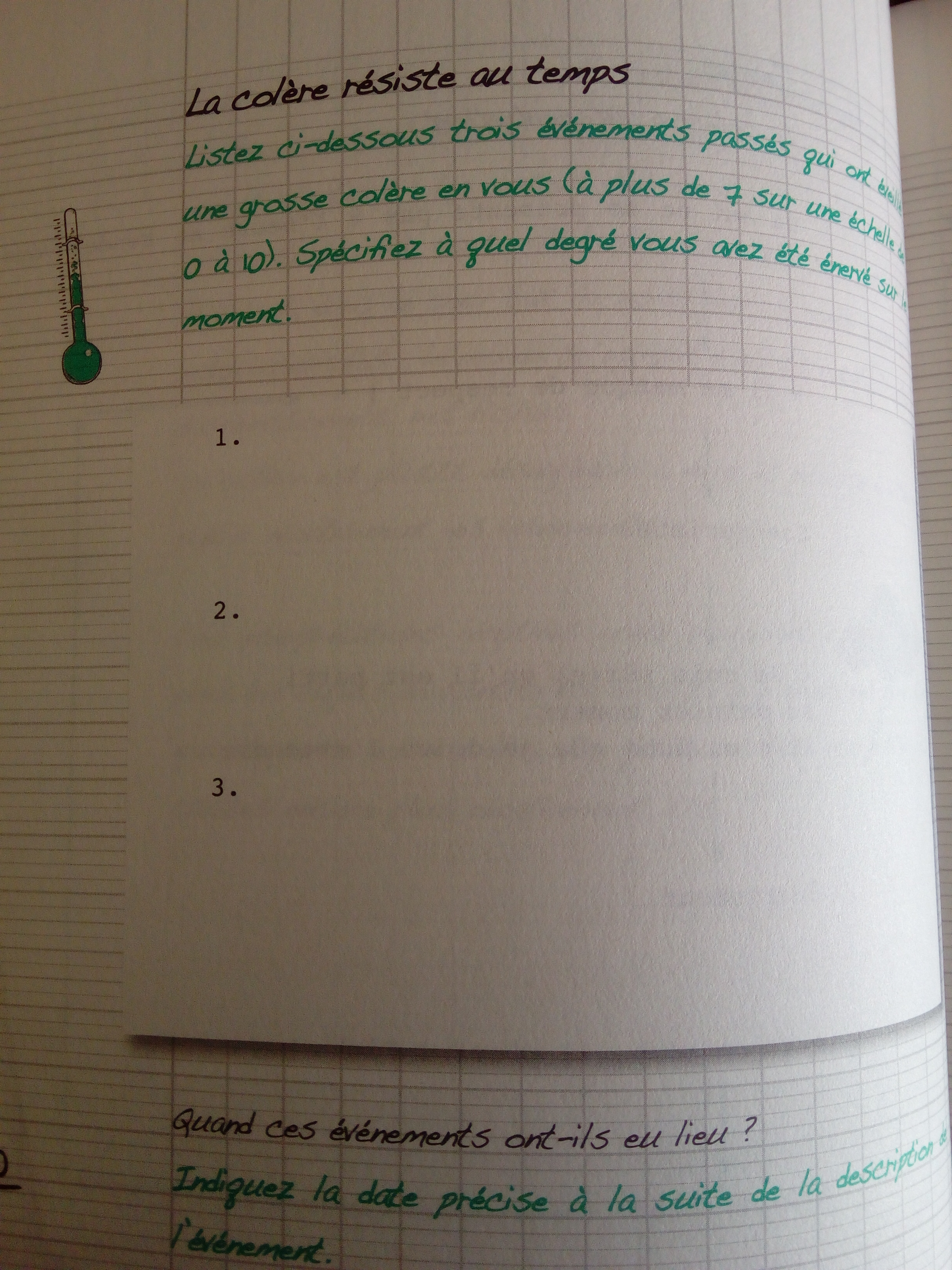
This first part of the workbook focuses on understanding how emotions work, and anger in particular. Thalmann offers exercises to become aware of the bodily dimension of emotions, and invites readers to notice the moments when anger took over and turned into violent words or gestures.
He also stresses the link between anger and thoughts. The trouble with anger is that it keeps itself going through negative interpretations, because anger directs our attention toward the obstacle. Learning to read that mechanism changes everything.
Why the body matters first
Noticing tension, heat or a clenched jaw early gives you a head start, long before words are spoken. This kind of self-awareness is close to the patient work described in reading and writing development, where small daily steps build lasting skills.

Expressing anger without exploding or imploding
Thalmann proposes several introspective activities to help readers see that anger itself is not the problem, but the actions that follow when it is not tamed. One exercise, for example, invites you to revisit the limiting messages you may have received in childhood.
He recommends a middle path: neither exploding with rage against others nor imploding by suppressing the anger. The best way to express anger is to put it into words, because thinking about the emotion reduces its intensity and verbalising it helps you take back control.
Several tools support these skills: building vocabulary to describe anger precisely according to its intensity, writing emotions in a notebook every day, using “I” messages to speak about your feelings and needs, and using humour to release the pressure.
Words as the main outlet
Precise language matters here just as it does in tourniquet syndrome reporting, where exact terms prevent confusion and panic. A shared vocabulary also helps families talk calmly, a habit that supports the values children absorb, much like the Thanksgiving values many households try to pass on.
| Approach | What it looks like | Likely result |
|---|---|---|
| Exploding | Raised voice, accusations, aggressive gestures | Conflict and guilt |
| Imploding | Swallowing the emotion, saying nothing | Tension and resentment |
| Putting into words | “I” messages, precise vocabulary, daily writing | Lower intensity, regained control |
| Reframing | Looking at the obstacle differently | Fewer unnecessary annoyances |
| Humour | Releasing pressure with lightness | Calmer, more flexible reactions |
Clearing out unnecessary anger
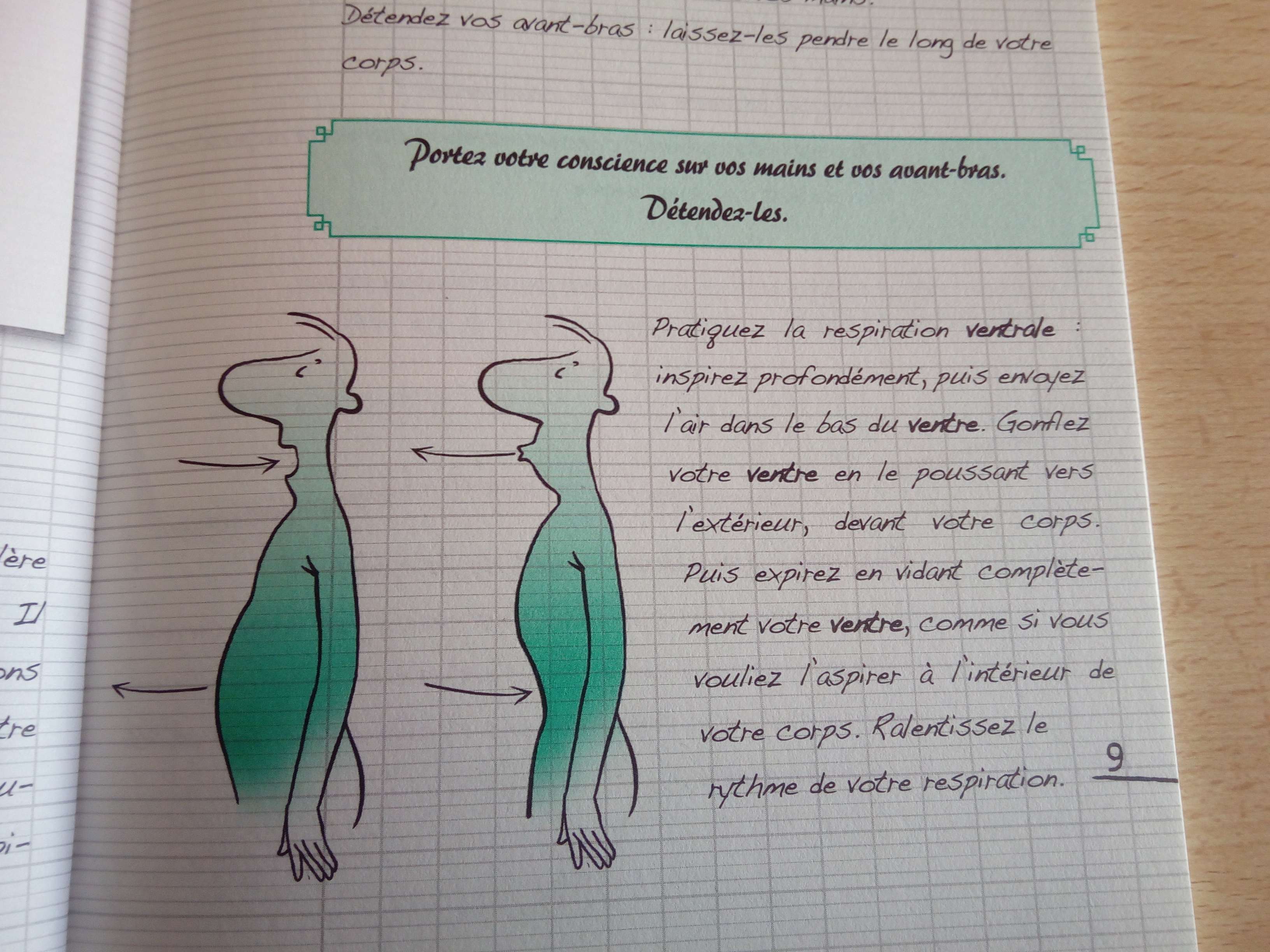
In this part, the exercises help you get less irritated by telling healthy, appropriate anger apart from inappropriate anger: stress, small annoyances, and parasitic emotions linked to your personal history.
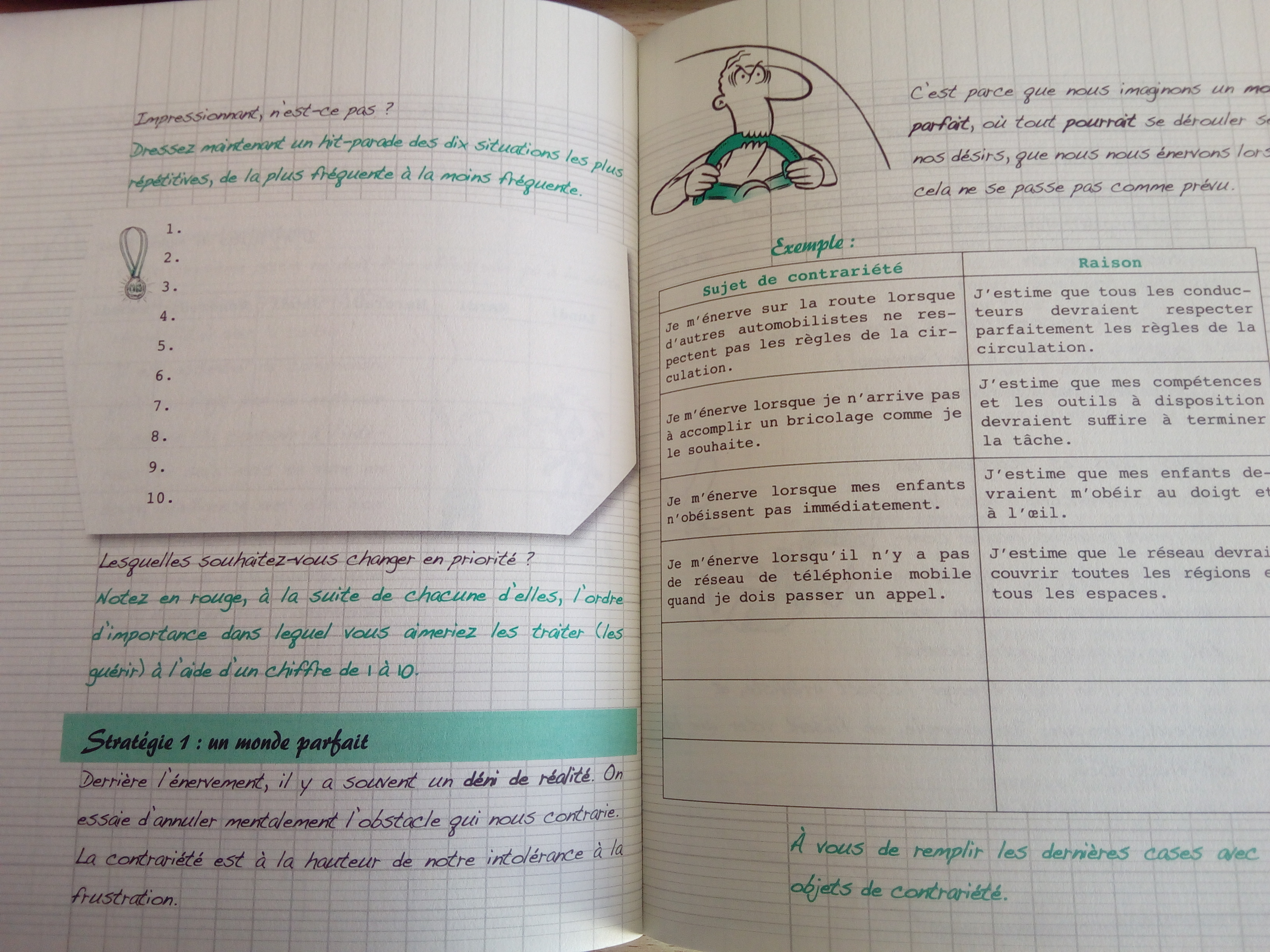
Thalmann invites readers to identify the most repetitive and frequent frustrating situations, then offers tools to handle them, such as reframing strategies, mindfulness and written commitments.
He concludes with a reassuring note: relapses are part of the programme. They do not signal failure or ineffectiveness, but progress in mastering anti-anger strategies.
Small daily outlets
Physical activity is a well-known way to discharge tension, and structured disciplines can be especially helpful for children, as explored in martial arts benefits. Creative rituals work too, and cooking together, such as making homemade chocolate truffles, offers a calm, shared moment after a difficult day.
Bringing the workbook into family life
The workbook is designed for personal use, but its exercises translate easily into parenting. Naming emotions out loud, using “I” messages and keeping a shared notebook help children see that anger can be talked about rather than acted out.
Household routines are a good training ground. Giving children age-appropriate responsibilities, as described in household chores responsibility, creates predictable structure that reduces friction, while shared activities like STEM building projects channel energy into something absorbing and constructive.
Reading together also opens conversations about feelings, and the link between stories and emotional vocabulary is part of how early literacy skills grow. Even small habits, like a calm bedtime routine, support the emotional balance described in baby sleep tips for younger siblings.

My hands-on take
I tried the daily emotion notebook with my own family, and the first surprise was how much easier it became to name what was actually going on. Instead of a vague “I’m furious”, we started saying “I’m frustrated because the plan changed”, and that small precision took the heat out of the moment.
What worked best for us was keeping the ritual short: a few lines at dinner, no pressure to write beautifully. Some evenings nobody had much to say, and that was fine. Over time, though, the children began borrowing the vocabulary, and I noticed fewer outbursts and quicker repairs after the ones that did happen.
Frequently asked questions
Is anger a negative emotion?
No. Anger is a fundamental and universal emotion that is neither good nor bad in itself. It helps us overcome obstacles and drive change; what matters is how we express and use it.
What is the best way to express anger?
The recommended middle path is neither exploding against others nor suppressing the emotion. Putting anger into words reduces its intensity and helps you take back control.
What if I keep losing my temper despite practising?
Relapses are considered part of the process. They do not mean the strategies have failed, but rather that you are progressing in mastering them.
Can these exercises help with parenting?
Yes. Naming emotions, using “I” messages and keeping a shared notebook help children learn that anger can be discussed rather than acted out.
Product Reviews
 Best Toys for Dogs With High Prey Drive |
Best Outdoor Toys for 3-4 Year Olds |
Best Outdoor Toys for 6 Year Olds |
Best Harness for Poodle |
Best LEGO Sets for Adults |
Best Travel Toys for 4 Year Olds on Airplane |
Best Toy Stores in Washington DC |
Best Potty Training Toys |
Best Toys for Tripod Dogs |
Maillot equipe de france







