


Childhood stress and the developing brain are closely linked, and children and teenagers are more vulnerable to stress than adults. Among all mammals, the human brain takes the longest to reach full maturity, so during the early years it is fragile and particularly sensitive to stress.
Moderate stress can be stimulating, a source of growth and creativity. But when stress is major or repeated, real distress can appear, with harmful effects on physical, mental and intellectual health.

This guide explains what stress does to a child's brain, why it blocks learning, and how parents can counter it day to day.
Quick takeaways
- Children's and teens' brains are more stress-sensitive than adults' because they mature slowly.
- Moderate stress can motivate, but repeated or major stress harms health and learning.
- Stress alters neurons, myelin, plasticity and telomeres.
- The hippocampus is hit hard, harming attention, concentration and memory.
- Fear disrupts the prefrontal cortex, stiffening thinking and reducing exploration.
- Warm relationships, free play and calm repair buffer stress.
Why children's brains are so sensitive to stress
The human brain needs the most time of any mammal to mature. Because it is still under construction in the early years, it is especially vulnerable to stress. Adults sometimes leave children alone with difficult emotions such as sadness, fear, anger or shame, or rush them, humiliate them by making mistakes public, or threaten and punish them.
In those moments the child's brain is flooded with stress hormones like adrenaline and cortisol. Neuroscience studies show that this stress blocks learning on several levels at once. Even everyday pressures, from a packed schedule to a lack of free play, can add up.
Common sources of stress
Sources range from overloaded timetables and pressure over grades or sport to shouting, humiliation, physical violence and emotional neglect. Changes a child does not understand, such as moving house or changing school, and difficult peer relationships or bullying also count. Parents who want to support growing bodies alongside growing minds can also look at foods rich and language development toys to build healthy routines.
How stress blocks learning and alters neurons
Stress acts directly on neurons. It interferes with the expression of BDNF, a neuronal growth factor, shrinks dendrites, slows the multiplication of neurons and can even destroy them. It also damages myelin, the substance that lets electrical signals travel faster between neurons.
On top of this, stress reduces neurogenesis and synaptic transmission, inhibits neuroplasticity, the brain's ability to reorganise itself, and shortens the telomeres that protect chromosomes from ageing. In short, repeated stress works against the very machinery a child needs to learn and adapt.
What this means at home
You cannot remove every stressor, but you can reduce the chronic ones: fewer rushed mornings, more free play, and calm reactions when a child makes a mistake. Choosing open-ended play such as STEM toys or simple toys for the car can give the brain low-pressure space to recover.

| Stressor | Effect on the brain | Protective habit |
|---|---|---|
| Packed schedule, rushed days | Blocks learning, floods hormones | Protect free play time |
| Shouting, humiliation | Harms memory and prefrontal cortex | Calm, private correction |
| Pressure over grades | Anxiety, rigid thinking | Encourage effort, not perfection |
| Little physical contact | Weakens emotional regulation | Daily cuddles and closeness |
| Unclear changes (moving, new school) | Uncertainty and distress | Explain and prepare together |
Stress weakens memory and attention
The hippocampus sits at the heart of learning and is especially sensitive to stress. Because it is the brain's memory centre, stress harms attention, concentration and memorisation. Research by Martin Teicher showed that the hippocampus shrinks in volume in children who are abused physically or verbally.
A human under stress is also paralysed by fear and can no longer listen or learn. That person memorises only the fear and records nothing in the hippocampus. This is why a frightened child cannot absorb a lesson, however hard they try.
Protecting focus
Predictable routines, enough sleep and a calm place to work all help. If your child struggles to concentrate, check the basics first, including health issues such as ear pain or anemia during puberty, which can quietly undermine attention and energy.
Stress and the prefrontal cortex: the seat of thought
The prefrontal cortex, the structure behind thinking, responsibility and ethics, is very sensitive to stress, especially in the first years of life. As soon as stress is present, the circuits that let us think, learn, reflect and memorise are disturbed.
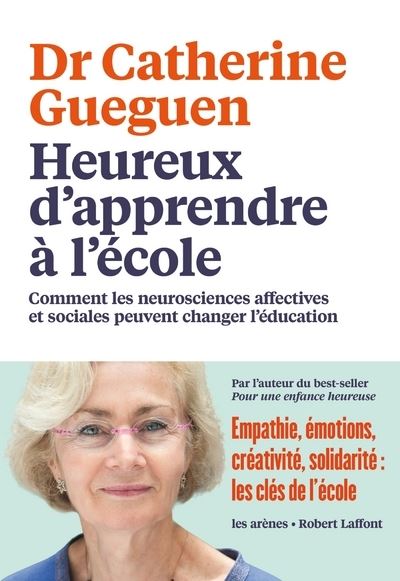
As paediatrician Catherine Gueguen explains, fear makes us less intelligent: the amygdala interferes with the prefrontal cortex, reducing exploration, stiffening our thinking and making us afraid of anything new. The more intense the stress, the more we lose our intellectual faculties, and clear thinking becomes impossible.
Emotions and regulation
The emotion-regulation circuit involves many regions connected to the prefrontal cortex, so stress affects how well children manage feelings. When they cannot regulate emotions, they may suffer anxiety or aggression and find it harder to concentrate. Calm, co-regulation from a trusted adult is the practical antidote.

Beyond school: effects on physical and mental health
When stress hormones stay high, the harm spreads beyond learning. Repeated stress affects physical and mental health, and the distress it creates can show up as anxiety, aggression or withdrawal. Children who feel chronically unsafe or humiliated carry that load into sleep, appetite and mood.
The good news is that the same brain plasticity that stress harms also allows recovery. Warm relationships, physical contact, movement and encouragement are protective. Everyday moments matter, whether that is a relaxed meal out or simply making time to cuddle and play without pressure.
Small changes that help
Trim the schedule, protect free play, name emotions out loud and repair quickly after a rupture. If you are planning family changes, understanding what support exists, such as what a midwife can offer, can reduce uncertainty for everyone.
Building a stress-buffering home
You do not need to be perfect; you need to be predictable and warm. Repair after mistakes, avoid public humiliation, and swap threats for clear, calm limits. Give children time to move, play and rest rather than filling every hour.
Watch for pressure creeping in around grades, sport or exams, and remember that encouragement protects the brain far better than punishment. If you are curious about how children actually grow and learn, it helps to set aside common myths about baby intelligence and focus on relationships instead.
A simple daily checklist
Aim for free play, physical contact, movement and one calm conversation each day. These small, repeatable habits buffer the stress response and give the developing brain the safety it needs to learn.

My hands-on take
In my own home, the biggest change came from cutting things rather than adding them. We dropped one activity, protected a chunk of unstructured afternoon time, and stopped rushing the morning routine. Almost immediately, my child was less tearful and far more able to settle into homework.
I also learned to repair quickly. When I snapped, I would come back later, name what happened and reconnect. Those small repairs did more for our calm than any reward chart. The lesson I keep returning to is simple: a child's brain needs safety and time far more than it needs a fuller schedule.
Frequently asked questions
Is all stress bad for children?
No. Moderate stress can be stimulating and a source of growth and creativity. The harm comes from stress that is major or repeated, which can create real distress.
Why does stress block learning?
Stress floods the brain with hormones that disturb the hippocampus and prefrontal cortex, the centres of memory and thought. A frightened child memorises the fear rather than the lesson.
Can the effects be reversed?
The brain stays plastic, so warm relationships, calm routines, movement and free play help it recover. Reducing chronic stressors and repairing after difficult moments makes a real difference.
Product Reviews
 Best Toys for Dogs With High Prey Drive |
Best Outdoor Toys for 3-4 Year Olds |
Best Outdoor Toys for 6 Year Olds |
Best Harness for Poodle |
Best LEGO Sets for Adults |
Best Travel Toys for 4 Year Olds on Airplane |
Best Toy Stores in Washington DC |
Best Potty Training Toys |
Best Toys for Tripod Dogs |
Maillot equipe de france







