


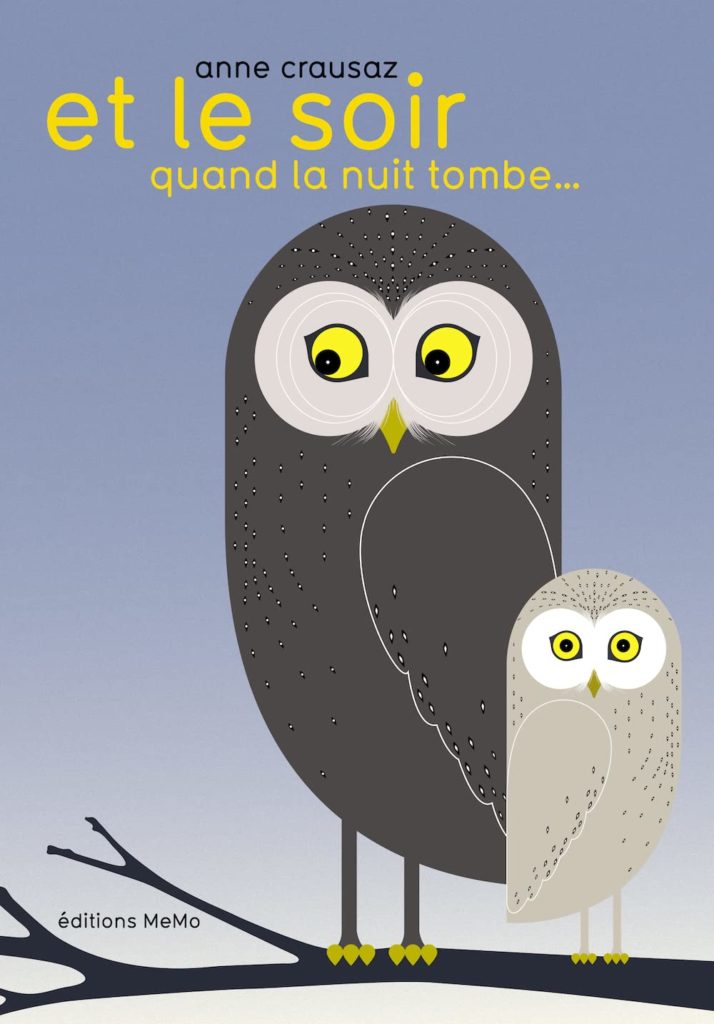
A bedtime story about nightfall can do more than fill the last few minutes of the day. This gentle picture book follows what happens when the sun goes down: little owls leave the nest to learn to fly, hedgehogs and badgers get busy, hens settle down with the sun, a dog curls up on its cushion, and a child in bed listens to a story read by mum.
It is the companion volume to a book about daybreak, and the two can be read alone, crossed over or mixed together. Both help small children face the night and the everyday separation of bedtime.

The illustrations are quiet, almost like paintings, built on a beautiful palette of blues rather than busy scenery. Look closely and you will spot a wink from a mother owl as her chicks finally settle.
Quick takeaways
- A nightfall story gives toddlers a gentle frame for going to sleep
- Short cursive sentences suit early readers and keep the pace calm
- Animal families in the book mirror a child's own family life
- The story moves from the woods to the bedroom, easing the separation
- Soft blue illustrations lower the energy of the room
- It can help demystify the night and ease fear of the dark
Why a book about nightfall helps at bedtime
A story set at dusk gives children a frame for what is about to happen to them. The animals show two sides of night: some wake up and get busy, while others curl up and sleep. That simple contrast turns the dark into something ordinary and busy rather than empty and frightening.
Reading the same book at the same point in the evening builds a predictable cue, and predictability is what helps small children let go. If bedtime is a struggle, a few baby sleep can sit alongside the story without changing the ritual itself.
The book also opens the door to talking about fears. A child who is nervous about the dark can point at the owls and the dog instead of trying to explain a feeling they do not have words for yet.
What happens on each double page
Every spread keeps things simple: one short sentence in cursive writing that early readers can tackle alone, and one large illustration. The cursive is a nice bridge for children who are starting to read, and the short text means nobody loses the thread.
Family life runs through the whole book. Little hedgehogs follow their parents, baby owls learn to fly with their mother, and the hens sleep all together. Children recognise that pattern instantly, and it quietly reassures them about their own place at home.
If you want to extend the reading habit beyond bedtime, there are stories about periods and other growing-up topics that use the same gentle, story-first approach. For more ideas, try these 150 games, and if settling at night is tricky, these tips for sleeping can help.
| Feature | Why it helps | What to avoid |
|---|---|---|
| Short sentences | Keeps the pace slow and calm | Long paragraphs that wake a child up |
| Soft, limited colours | Lowers visual stimulation | Bright, busy illustrations |
| Predictable structure | Builds a familiar nightly cue | Surprise twists or loud humour |
| Animal families | Reassures about closeness | Scary or lonely characters |
| A quiet ending | Signals that the day is over | An exciting final page |
| Board pages | Survives repeated handling | Fragile paper for babies |
From the woods to the child's bedroom
The story has a clear route. It begins in the woods, then moves gradually closer to the house, passing the badger, the birds and the dog, until it reaches the child's bedroom, where a mother reads a bedtime story. That movement is the clever part: the outside world is slowly replaced by the familiar indoors.
You can use that journey as a talking point. Ask your child which animal they would like to be, or which one they think is the sleepiest. It is a low-effort way to keep them engaged without winding them up again.
For families who travel or whose evenings are disrupted, the same calming sequence can be adapted. These nursery adaptation tricks are useful when a child is settling into a new room or a new routine.
A calm, poetic tone for the smallest readers
The text reads like a small poem, and the drawings stay round and soft. The book is made for the very youngest children, with a board cover and board pages, but beginner readers can enjoy it too because the sentences are short and clear.
That softness matters. A book that is calm in both words and pictures gives a child permission to slow down, and it gives the adult a reason to lower their voice. Many parents find that the last ten minutes of reading do more for sleep than any amount of negotiating.
It also pairs well with other quiet activities. A short English learning game earlier in the day, for example, keeps the evening free for winding down rather than for screens. Gentle maths stories can work the same way, and quiet play with LEGO villagers fits a calm afternoon too.

Talking about the dark without making it a lesson
The book never lectures. It simply shows that night is full of life: owls flying, hedgehogs foraging, badgers working. That is a useful counterweight to the idea that darkness is empty. You can point this out casually while reading, without turning it into a conversation about fears.
If your child does bring up being scared, keep it brief and concrete. Name one animal from the book, remind them that the dog is asleep too, and move on to the last page. Over-explaining tends to keep the worry alive.
Some parents like to add a small ritual after the story, such as naming three things that happened that day. Others prefer silence. Both work, as long as the ending stays the same each night.
Where this book fits in a family library
It sits comfortably next to other quiet bedtime reads, and it works well as a gift for a new baby or a first birthday because of the board format. It is widely available in libraries, bookshops and online, so borrowing before buying is easy.
If you are building a small shelf of calming books, look for the same qualities: short text, soft colours, a clear sequence and a reassuring ending. A book that ends with a child asleep in bed does a lot of the work for you. Families planning a weekend away can also pack a favourite read for rural houses near Barcelona.
For slightly older children who want more agency at story time, letting them choose the book is often enough to reduce resistance. The ritual stays; the choice moves to them, much like the patience needed for at home haircuts.
My hands-on take
I started reading a nightfall book to my own child when bedtime had turned into a nightly negotiation. What surprised me was not the story but the pace: the short lines forced me to slow down, and my voice dropped without me deciding to do it. After a week, the book itself became the signal. Once it came off the shelf, the arguing mostly stopped.
My practical tip is to keep the last page quiet. Resist the urge to ask questions once the child in the story falls asleep, and resist adding one more book. I also learned to leave the book in the same spot on the shelf, because the physical routine turned out to matter as much as the words.
Frequently asked questions
At what age can a child enjoy this book?
It is designed from birth, with a board cover and board pages, so babies can handle it. The short text also suits beginner readers who want to read a page themselves.
Can it help with fear of the dark?
It can help, because it shows night as full of ordinary animal activity rather than emptiness. Keep the conversation light and let the book do the work.
Should I read it every night?
Reading it at the same point each evening makes it a predictable cue. If your child asks for variety, keep the ritual and let them choose a different book.
Does the cursive text matter?
It gives early readers a chance to follow along and try a sentence alone. For younger children, simply read it aloud in a low, steady voice.
Product Reviews
 Best Toys for Dogs With High Prey Drive |
Best Outdoor Toys for 3-4 Year Olds |
Best Outdoor Toys for 6 Year Olds |
Best Harness for Poodle |
Best LEGO Sets for Adults |
Best Travel Toys for 4 Year Olds on Airplane |
Best Toy Stores in Washington DC |
Best Potty Training Toys |
Best Toys for Tripod Dogs |
Maillot equipe de france







